Archives

Month: May 2025

The Tragic Sinking of the Schooner Nelson

On May 13, 1899, the schooner Nelson sank in Lake Superior, taking her crew and captain’s family. The wreck was found in 2014.

Lost to the Storm Lake Superior has a long, dark history of claiming ships, sailors, and stories—many of which remain mysteries beneath her cold waves. But on this day in history, May 13, 1899, the sinking of the Schooner Nelson was one of those stories was written in heartbreak and heavy weather. The schooner Nelson, a 199-foot, three-masted vessel built in 1866, sank near Grand Marais, Michigan, taking her entire crew, including the captain’s wife and infant child, down with her. The Nelson was being towed west by Captain White’s steamer alongside the Mary B. Mitchell. The ships were caught… Read More »


Michigan Abolished the Death Penalty

Michigan Abolishes the Death Penalty

Michigan Becomes a Pioneer in Justice Reform On May 4, 1846, Michigan did something no other English-speaking government had ever done—it outlawed the death penalty for all crimes except treason. It was a bold and groundbreaking decision, marking a major step toward criminal justice reform not just in the U.S., but around the world. This move made Michigan the first state in the United States to legally reject capital punishment for most crimes, signaling a shift toward more humane and rehabilitative approaches to justice. Though the law wouldn’t take effect until March 1, 1847, the decision itself made waves—and it… Read More »


Michigan’s First Civilian Conservation Corps Camp

Michigan’s First Civilian Conservation Corps Camp

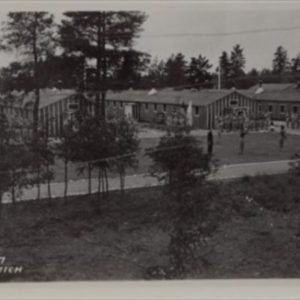
A Legacy of Conservation and Hard Work In the depths of the Great Depression, with unemployment at staggering levels, President Franklin D. Roosevelt launched the Civilian Conservation Corps (CCC) as part of his New Deal efforts to put young men to work while preserving the country’s natural resources. On May 2, 1933, two hundred young men from Detroit and Hamtramck arrived in Chippewa County. They came to establish Camp Raco, Michigan’s very first CCC facility. This marked the beginning of a program that would leave a lasting impact on Michigan’s forests, parks, and conservation efforts. Building More Than Just Camps… Read More »


Michigan Goes Dry

Michigan Goes Dry. Michigan enacted prohibition—two years before the national ban. Learn how it led to speakeasies, bootlegging, and organized crime.

The Beginning of Prohibition On April 30, 1918, the last legal drinks were poured in Michigan, marking the start of state-wide prohibition on May 1, 1918. A full two years before national prohibition took effect. This wasn’t an overnight shift, though. By 1911, most of Michigan was already dry due to county-level bans, and in 1916, voters overwhelmingly approved a constitutional amendment outlawing alcohol entirely. The result? A new era of bootlegging, speakeasies, and a thriving underground liquor trade. While prohibitionists believed banning alcohol would lead to a more moral and orderly society, the reality was much different. Saloons and… Read More »