Archives

Month: July 2025

Robert Wadlow The World’s Tallest Man Dies in Manistee

On July 15, 1940, Robert Wadlow—the tallest man in history—died in Manistee, Michigan from an infection caused by a leg brace.

Robert Wadlow’s Final Days in Manistee On July 15, 1940 Robert Pershing Wadlow, known as the Alton Giant passed away in Manistee at just 22 years old. Standing at an astonishing 8 feet 11.1 inches tall, he was the tallest man ever recorded. Wadlow was in town as a guest of honor at the Manistee National Forest Festival when tragedy struck. A small blister on his ankle, caused by a faulty leg brace, became infected. Despite treatment—including a blood transfusion and surgery—he died in his sleep just eleven days later. The Gentle Giant Robert Wadlow’s towering height was the result… Read More »



Michigan’s Hottest Day

On July 13, 1936, Mio hit a staggering 112°F—still the hottest temperature ever recorded in the state. Here’s the story behind it.

Mio records record temperature of 112 degrees In the middle of the Dust Bowl and Great Depression, the summer of 1936 brought with it an unforgiving heat wave that left much of North America sweltering. And on July 13, 1936, a small Northern Michigan town etched its name into the weather history books. That day, Mio, Michigan—tucked in the Au Sable River valley—hit an unbearable 112 degrees Fahrenheit, making it the record for Michigan’s hottest day. 🌞 And Mio wasn’t alone. That same day, Saginaw sizzled at 111°F, while other cities weren’t far behind: Kalamazoo – 109°F Grand Rapids –… Read More »


Alpena’s Devastating Fire of 1872

On July 12, 1872, Alpena suffered a catastrophic fire that destroyed 75 buildings and reshaped the city forever.

Up in Flames In the early days of Alpena, Michigan, the booming lumber industry brought both prosperity and danger. The city’s rapid growth, wooden structures, and proximity to sawdust-laden mills made it a tinderbox waiting for a spark. That spark came on July 12, 1872, when a catastrophic fire consumed the heart of Alpena, leaving destruction and resilience in its wake. Fire of 1871 Just over a year earlier, Alpena had officially incorporated as a city on March 29, 1871. Within weeks, fire struck the business district on the north shore of the Thunder Bay River, prompting the formation of… Read More »


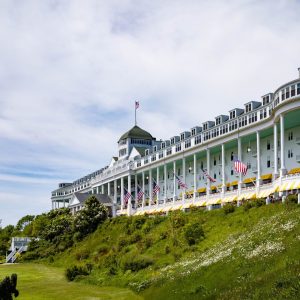
The Grand Hotel Opens on Mackinac Island

On July 10, 1887, the Grand Hotel opened on Mackinac Island—built in just 93 days atop centuries of mystery, beauty, and buried history.

🎩 Grand Visions & Ghost Stories The Grand Hotel, a Victorian marvel officially opened its doors to a curious and growing number of tourists on Mackinac Island. Built in a record-breaking 93 days, this now-iconic structure quickly became the crown jewel of Michigan tourism. From its opening on July 10, 1887 to today, it still holds court over the Straits of Mackinac today. But its story isn’t just about style and leisure. The hotel was built on a foundation literally steeped in mystery. According to local legend, during construction, workers unearthed hundreds of human skeletons. There were so many that… Read More »


The King of Beaver Island

In 1843, James Strang began his rise from lawyer to prophet to crowned King of Beaver Island—America's only monarchy.

👑 James Strang’s Reign Begins In 1843, James Jesse Strang took the first steps toward becoming one of the most unusual figures in American religious and political history. That year, he settled in Burlington, Wisconsin, and joined the Church of Jesus Christ of Latter-Day Saints. Ambitious, intelligent, and charismatic, Strang would soon find himself at the center of a power struggle. That struggle would see him crowned as the only King in U.S. history. Just one year after his conversion, Mormon leader Joseph Smith was murdered. While most followers chose Brigham Young to lead them westward, Strang claimed to have… Read More »


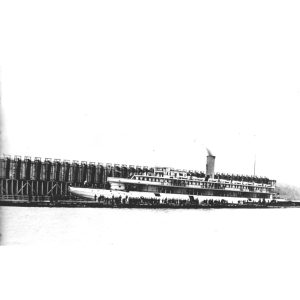
The First Great Lakes Iron Ore Shipment Sets Sail

On July 7, 1852, the first shipment of Lake Superior iron ore traveled by Great Lakes to Lake Erie smelters—just six barrels that changed history.

Barrels of Change In the early days of the mining boom, the iron ore buried beneath the rugged wilderness held promise. But little practicality, transportation was a nightmare. Mule teams, makeshift plank roads, and schooners only getting the job halfway there. The dreaded St. Marys River rapids brought things to a halt. But on July 7, 1852, a tiny but mighty shipment changed all of that. That day, the Marquette Iron Company shipped six barrels of Lake Superior iron ore to New Castle, Pennsylvania. This marked the first time iron ore made the full journey via the Great Lakes from… Read More »


Mackinac Island Bans Automobiles

On July 6, 1898, Mackinac Island banned cars to protect horses. 126 years later, it's still a peaceful, car-free slice of Michigan history.

🚫 No Cars Allowed Imagine a place where the hum of engines is replaced by the rhythmic clip-clop of hooves, where streets smell of lilacs and fudge instead of exhaust, and where your morning traffic jam might be a few wayward tourists learning to steer a bike. Welcome to Mackinac Island, Michigan. The island is a unique, car-free haven where time feels like it took a detour around the motor age. And it all began on July 6, 1898, when the Mackinac Island Village Council officially banned “horseless carriages” from its peaceful streets. The ban wasn’t just whimsical nostalgia—it was… Read More »


The Ever-Evolving History of Castle Farms

Built in 1918, Castle Farms in Charlevoix has been a dairy farm, concert venue, and now top wedding and tourist destination.

🎸 Rock Concerts, Dairy Cows & French Castles In the charming lakeside town of Charlevoix, there’s a stone castle. The castle has been a farm, an art gallery, a raucous concert venue, and today, a fairytale wedding destination. Castle Farms is more than just a picturesque structure — it’s a place that has reinvented itself again and again since its birth in 1918. On this day, we take a look back at the multifaceted history of one of Northern Michigan’s most iconic landmarks. It all began with Albert Loeb, acting president of Sears, Roebuck & Co. He was a man… Read More »


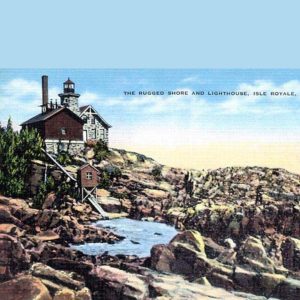
Passage Island Lighthouse Shines for the First Time

On July 1, 1882, Passage Island Lighthouse lit up Lake Superior for the first time—marking the U.S.'s northernmost beacon of light.

💡 Lighting the Way North Tucked in the remote waters of Lake Superior, just off the northeastern tip of Isle Royale, Passage Island Lighthouse blazed to life for the first time on July 1, 1882. It stands as the northernmost lighthouse in the United States. The lighthouse’s powerful beam served as a crucial guidepost for ships navigating the narrow, treacherous passage between Isle Royale and the Canadian shore. But the story of how this iconic light came to be is as rugged and resilient as the rocky outcrop it rests upon. In the late 1860s and early 1870s, copper and… Read More »