Guiding Ships Through the Hazards of Lake Superior
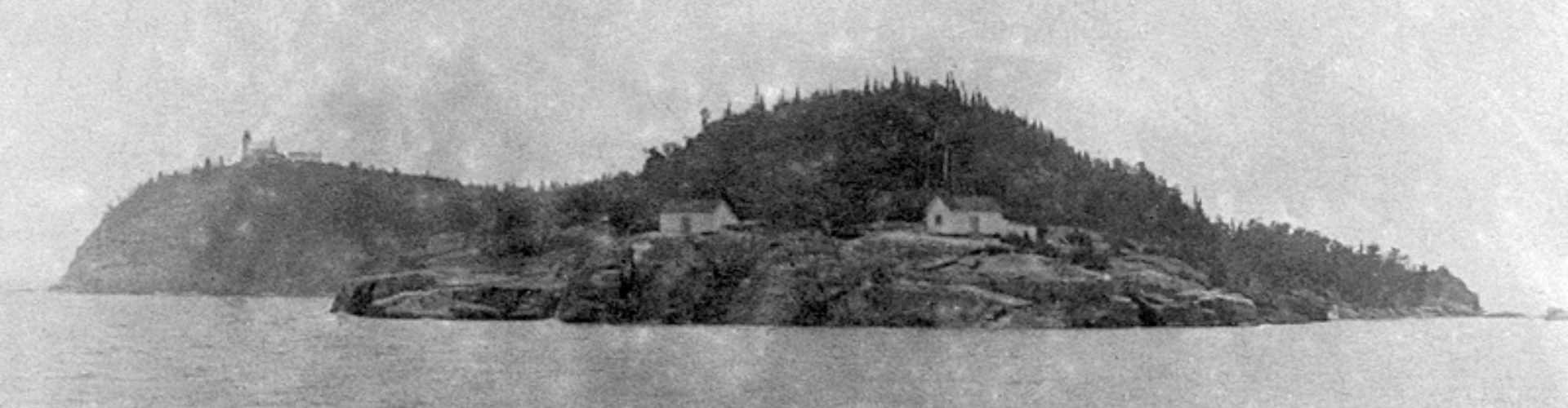
Rising above the rocky Huron Islands near Big Bay, Huron Island Light stands watch over one of the most treacherous stretches of Lake Superior. Often hidden by fog and surrounded by reefs and shoals, this lighthouse has played a quiet but critical role in Great Lakes navigation for more than 150 years. Though rarely seen and even more rarely visited, it remains an active reminder of the region’s maritime past.
A Dangerous Crossroads on Lake Superior
As shipping and commerce expanded in the mid-19th century—especially during the copper boom of the Keweenaw Peninsula—the Huron Islands became a serious navigational hazard. The islands sit near a vital turning point for vessels entering Huron Bay, Keweenaw Bay, or Portage Entry. Combined with frequent fog, the area proved unforgiving to ships hugging the shoreline on their journeys to and from the Portage River.
One incident in particular pushed the need for a lighthouse into the spotlight. In 1860, the side-wheel steamer S.S. Arctic struck the easternmost Huron Island. Although no lives were lost, the ship was destroyed, and its passengers, crew, and cargo—including cattle—were stranded on the island. The marooned animals earned the island its enduring nickname, “Cattle Island,” and the wreck became the final argument in favor of building a lighthouse.
Building the Light on Lighthouse Island
Congress appropriated $17,000 for a lighthouse in 1867, and surveyors selected the highest point on Lighthouse Island, the westernmost of the Huron Islands. When completed in 1868, Huron Island Light featured one of the highest focal planes in the western Great Lakes—second only to Grand Island North Light.
The station included more than just the lighthouse. A keeper’s dwelling, privy, oil house, boat dock, and tramway were all constructed to support life and work in this isolated location. The light was first illuminated on October 20, 1868, marking a major improvement in safety for vessels navigating Lake Superior’s southern shore.
Fog Signals, Upgrades, and Automation
Given the persistent fog in the area, fog signals were essential. In 1881, two fog signal buildings were constructed about a half-mile from the lighthouse. Originally powered by steam whistles, they were later converted to diaphones. The station saw a series of upgrades over the years. These included repairs after a lightning strike in 1891 and improvements to the light itself.
In 1912, the light was upgraded to incandescent oil vapor, and entire station electrified by the 1930s. A new barracks building followed in 1961, along with the installation of a solar-powered light. Automation came in 1972, ending the era of resident keepers. Although boarded up, the light continues to serve as an active aid to navigation. In 2006, the lighthouse received a much-needed roof replacement to help preserve the structure.
Architecture and Sister Lighthouses
Huron Island Light is a classic example of a late-19th-century Great Lakes lighthouse. Built from granite, the 1½-story structure integrates a square, 39-foot-tall light tower directly into the dwelling. The original light featured a decagonal cast iron lantern housing a 3½-order Fresnel lens.
The station’s design was duplicated at nearby Granite Island and shares similarities with Gull Rock and Marquette Harbor lighthouses. This ties Huron Island Light into a broader family of Lake Superior beacons.
Preservation Efforts and Ownership
The United States Fish and Wildlife Service owns the lighthouse today. Preservation efforts are led by the Huron Island Lighthouse Preservation Association, based in L’Anse, Michigan. The lighthouse is not visible from shore and access is extremely limited which creates unique challenges for the group. Still, the organization remains committed to saving this remote light and is a member of the Michigan Lighthouse Alliance.
Visiting Huron Island Light
Huron Island Light is accessible only by private or tour boat. It is the only island in the Huron Islands open to the public, but reaching it is not for the faint of heart. The three-mile trip crosses cold, rough waters scattered with reefs and shoals. It should be attempted only with proper experience, equipment, and caution.
A Remote but Enduring Beacon
Though few people ever see it in person, Huron Island Light continues to quietly fulfill the mission it was built for in 1868. It guides ships safely through one of Lake Superior’s most dangerous passages. Its story is one of isolation, perseverance, and the vital role lighthouses played in shaping Northern Michigan’s maritime history.
Explore our full collection of Northern Michigan lighthouse stories here
Start planning your trip today and explore the legacy of Michigan’s maritime history!
📍 Explore the Map Below