All of Northern Michigan

The Birth of the Michigan Territory

The Birth of the Michigan Territory

On this day in history, June 30, 1805, the Michigan Territory officially came into being. Signed into existence months earlier by President Thomas Jefferson on January 11. This act marked a pivotal moment for what would eventually become the Great Lakes State. At the time, Michigan was carved out of the larger Indiana Territory, with Detroit named as the new capital. Michigan’s Identity This wasn’t just a bureaucratic reshuffling—it was the beginning of Michigan’s own identity. The region that would become Michigan had long been home to Native American tribes like the Ottawa, Potawatomi, Ojibwa, and Wyandot,. The land was… Read More »


How the Petoskey Stone Became Michigan’s State Stone

Michigan’s State Stone Has Fossilized Charm A Legendary Backstory Every now and then, nature hands us a souvenir that’s equal parts beauty, science, and legend. For Michiganders, that’s the Petoskey Stone. It is a fossilized coral with a stunning six-sided pattern that’s been shaped over hundreds of millions of years and polished by glaciers. And on June 28, 1965, it was officially crowned Michigan’s State Stone. Choosing the Petoskey stone celebrated not just geology, but deep roots in Native American history and Michigan’s unique identity. What Makes the Petoskey Stone Special? A Petoskey stone isn’t just a pretty roc. It… Read More »


Michigan-Ohio Border Dispute Truce

Michigan-Ohio Border Dispute Truce

A War With No Casualties (Except One Minor Knife Wound) On June 15, 1836 Congress proposed a compromise to settle what may be America’s weirdest border conflict. The so-called Toledo War between the state of Ohio and the Michigan Territory. At the center of this simmering feud was a 468-square-mile slice of land known as the Toledo Strip. A region both sides believed rightfully belonged to them due to old, flawed maps. Toledo, perched at the mouth of the Maumee River, was a prime piece of real estate for trade and shipping. Especially in the growing Great Lakes economy, making… Read More »


The Launch of the Edmund Fitzgerald

The Launch of the Edmund Fitzgerald

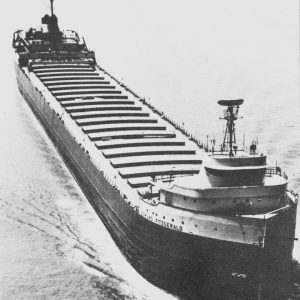
Queen of the Lakes On this day in history, we celebrate a ship that captured the imagination of Great Lakes boat watchers and maritime enthusiasts from the moment she hit the water: the SS Edmund Fitzgerald, launched on June 7, 1958, in River Rouge, Michigan. Commissioned by Northwestern Mutual Life Insurance Company, the Edmund Fitzgerald was no ordinary ore boat. At 729 feet long and with a deadweight capacity of 26,000 tons, she was the largest ship on the Great Lakes at the time and the first built to the exact maximum dimensions allowed through the Saint Lawrence Seaway. She… Read More »


Michigan’s Great Seal Is Adopted

Michigan’s Great Seal Is Adopted

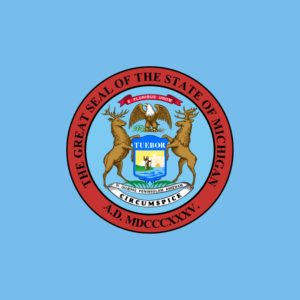
Every great state needs a great symbol—and on June 2, 1835, Michigan got just that. On this date, delegates at the Michigan Constitutional Convention formally adopted the Great Seal of the State of Michigan. They chose a striking emblem that’s been representing our identity, values, and geography ever since. Lewis Cass, Designer The designer behind the seal was Lewis Cass. Cass was Michigan’s second (non-acting) territorial governor and a key figure in shaping early Michigan history. Cass based the seal on the Hudson Bay Fur Company’s emblem. He wanted to recognize Michigan’s strong ties to fur trading and frontier life…. Read More »


On This Day in History – May

On this day in History May

Northern Michigan has a rich and fascinating history, and May has seen its fair share of momentous events. From groundbreaking legal changes to major explorations and historic shipwrecks, these stories offer a glimpse into the past of the Great Lakes State. Here are some key events that happened in Michigan on this day in May. May in Northern Michigan History May 1, 1918 – Michigan Voters Approve Prohibition On this day in history, May 1, 1918, Michigan officially went dry—two years before national prohibition took effect. But banning alcohol didn’t mean people stopped drinking. Instead, speakeasies flourished and bootlegging became… Read More »


Michigan Abolished the Death Penalty

Michigan Abolishes the Death Penalty

Michigan Becomes a Pioneer in Justice Reform On May 4, 1846, Michigan did something no other English-speaking government had ever done—it outlawed the death penalty for all crimes except treason. It was a bold and groundbreaking decision, marking a major step toward criminal justice reform not just in the U.S., but around the world. This move made Michigan the first state in the United States to legally reject capital punishment for most crimes, signaling a shift toward more humane and rehabilitative approaches to justice. Though the law wouldn’t take effect until March 1, 1847, the decision itself made waves—and it… Read More »


Michigan Goes Dry

Michigan Goes Dry. Michigan enacted prohibition—two years before the national ban. Learn how it led to speakeasies, bootlegging, and organized crime.

The Beginning of Prohibition On April 30, 1918, the last legal drinks were poured in Michigan, marking the start of state-wide prohibition on May 1, 1918. A full two years before national prohibition took effect. This wasn’t an overnight shift, though. By 1911, most of Michigan was already dry due to county-level bans, and in 1916, voters overwhelmingly approved a constitutional amendment outlawing alcohol entirely. The result? A new era of bootlegging, speakeasies, and a thriving underground liquor trade. While prohibitionists believed banning alcohol would lead to a more moral and orderly society, the reality was much different. Saloons and… Read More »


On This Day in Michigan’s History – April

April in Michigan has been a month of bold decisions, historic milestones, and even a little bit of controversy. From the introduction of coho salmon that revolutionized the Great Lakes fishery to the dramatic Battle of Manton, April has seen its fair share of unforgettable events. Let’s take a look at some key moments on this day in Michigan’s History in April. April in Northern Michigan History April 2, 1966 – Coho Salmon Introduced Michigan made a bold move that changed the Great Lakes forever—introducing coho salmon in the Platte and other area rivers. This effort aimed to control invasive… Read More »


Michigan’s Official State Flower

The Apple Blossom On April 28, 1897, Michigan officially adopted the apple blossom (Pyrus coronaria) as its state flower. The delicate bloom of the native crabapple tree was chosen to represent Michigan’s strong agricultural heritage. Michigan had a strong connection to apple production. With its soft pink and white petals and sweet spring fragrance, the apple blossom has come to symbolize renewal and growth. Furthermore, it is a symbol of the enduring relationship between Michigan’s people and the land. The story behind the apple blossom’s selection is often linked to state legislator William Harris of Norwood. Inspired by the expansive… Read More »


The American Lotus Blossom

Michigan’s Official Symbol for Clean Water On April 21, 2004, Michigan made a significant move to honor its abundant freshwater resources by designating the American lotus blossom (Nelumbo lutea) as the official symbol for clean water. Public Act 78 of 2004 officially recognized the lotus for its unique ability to thrive in Michigan’s freshwater environments while also naturally cleaning the waters it inhabits. The American lotus is the largest aquatic plant in North America, growing in the shallow, mucky waters around the Great Lakes. With its large yellow flowers and massive floating leaves, the lotus is a standout in Michigan’s… Read More »


Michigan First to Ratify 21st Amendment

First to Ratify, First to Celebrate Prohibition was one of the most ambitious—and controversial—social experiments in American history. While it aimed to curb alcohol consumption and its perceived societal ills, it instead fueled crime, corruption, and an underground booze trade that made gangsters rich and law enforcement frustrated. Michigan played a unique role in both implementing and ending Prohibition, standing out as the first state to ratify the 21st Amendment, which repealed the national ban. Let’s dive into Michigan’s wild ride through its history with alcohol—both the dry years and the celebratory return of legal drinking. Michigan: The First to… Read More »